The phrase “dad bod” is usually delivered with a shrug or a joke, sometimes affectionate, sometimes dismissive. It implies a slow surrender. Less discipline. Fewer hours in the gym. Comfort replacing effort. The body softening because the will has softened. That story is convenient. It is also wrong. The ‘dad bod’ phenomenon has even been embraced in American culture, suggesting a shift in body image perceptions among men and highlighting the aesthetic appeal of a more relaxed body image.
At Regeneris, men present with the same concern. They are not sedentary. They are not careless. They work, train, stay active, lift weights, play tennis, cycle, or walk daily. They eat reasonably well and have not gained large amounts of weight. And yet their midsection has changed.
The shoulders remain broad. The chest still carries strength. But the waist thickens. The abdomen begins to push forward. The V-shaped taper that once defined the male torso dulls into a block. Clothing fits poorly. Shirts drape instead of contour. The mirror begins to tell a story that does not match lived effort. Love handles—the excess fat that sits at the sides of the waist and hangs over the top of pants—often become more prominent, and some fat deposits remain no matter what efforts are made due to genetic and age-related factors.
Most men interpret this as personal failure. They assume the answer is more discipline. Fewer calories. More core work. More self-reproach. What they are rarely told is that the male body itself has changed the rules. Men are prone to greater ‘android fat distribution,’ meaning they carry more fat around the waist than women do, and being overweight or obese increases the risk of accumulating visceral fat.
After about age forty-five, several physiological shifts converge. Testosterone declines gradually, not abruptly, but enough to alter fat behavior. Insulin sensitivity changes. Cortisol exposure lengthens. Fat that once distributed more evenly now favors the abdomen and flanks. Visceral and subcutaneous compartments behave differently than they did in earlier decades. Excess fat in the waist is often a sign of high visceral fat, which surrounds organs and is associated with health risks such as heart disease, stroke, type 2 diabetes, and high blood pressure.
This is not primarily about weight. Many of these men remain within ten pounds of long-term baseline. The issue is geometry, not mass, per se. The abdomen becomes convex, meaning it no longer lies flat but bows outward. The midsection takes on a rounded, forward-projecting shape, thickening the waist even when the scale barely moves. This is why men can look heavier without being that much heavier. The shape has changed.
Exercise remains essential. It preserves strength, metabolic health, bone density, mood, and longevity. But exercise is not a sculpting tool once fat distribution shifts. Muscle grows under fat. Cardio improves function, not contour. Spot reduction remains a myth. Combining resistance training with aerobic exercise has been shown to be very effective for burning off belly fat, and adding weight training to your routine may be especially beneficial for losing love handles. Aerobic workouts help burn calories and reduce excess fat, and mindful eating practices have been shown to lead to greater loss of belly fat. Still, some stubborn fat deposits persist despite best efforts, and frustration builds.
Men are conditioned to believe effort should suffice. When effort fails to correct shape, the assumption is that more effort is required. When that still fails, expectations quietly lower. Men adjust their clothing. They avoid mirrors. They say little. From a medical perspective, this is misplaced shame.
At Regeneris, the goal is not to chase youth or exaggeration. It is to restore proportion. Modern body contouring has evolved into a corrective discipline, not a vanity exercise. Older liposuction techniques focused on removing volume. They often ignored anatomy, skin behavior, and long-term contour. That reputation lingers. But current tools allow for precision and restraint. VASER, an ultrasound-assisted sculpting technology we use routinely, selectively loosens fat while preserving connective tissue, vessels, and nerves. VASER is unique in its ability to selectively target fat cells while preserving surrounding tissues, resulting in smoother contours, less pain, and reduced recovery time compared to traditional liposuction. It removes visible amounts of fat immediately, unlike non-invasive procedures that rely on secondary reactions. VASER can sculpt and shape multiple areas in a single procedure, including the arms, thighs, buttocks, abs, neck, chin, and love handles, and is powerful enough to eliminate large areas of fat while being gentle enough for delicate areas. VASER liposuction is preferred for more fibrous areas and for refining body contour rather than solely reducing large amounts of weight, and it is ideal for fat transfer procedures as it keeps the fat intact while breaking it up.
Equally important is what happens to the skin. In men over forty-five, skin does not always retract predictably once fat is removed. This is why Regeneris pairs fat sculpting with internal skin tightening when appropriate. Renuvion, a helium plasma device, contracts tissue beneath the skin and initiates collagen remodeling over time. The intent is not artificial tightness, but coherence between the skin and the newly shaped torso.
These tools are not used in isolation. They are applied based on anatomy, age, skin quality, and goals. The work is often done under local anesthesia. Patients are awake. They talk. The experience is controlled, not theatrical. During the procedure, monitoring heart rate and managing fluids are important for patient safety, and medications are used to constrict blood vessels to control bleeding and swelling. What surprises most men is how unremarkable the process feels. No ordeal. No prolonged downtime. Just correction.
The psychological impact is often immediate. When a man sits up and looks down and sees proportion restored, the reaction is rarely exuberant. It is quieter than that: relief, rejoice. The sense that effort and outcome finally align. This is not about perfection. It is about coherence.
The shame attached to the dad bod assumes causation where biology is the dominant driver. It treats age-related redistribution as character failure. That framing keeps men silent and stuck.
A more accurate understanding is this: the male torso after midlife follows different rules. Effort still matters, but it no longer controls shape entirely. At a certain point, refinement requires tools designed for refinement.
Choosing correction is not an admission of defeat. It is a medical acknowledgment of how the body changes. At Regeneris, the work begins with listening, anatomy, and restraint. The goal is not to create something new, but to reveal what effort alone can no longer uncover. Common side effects of VASER liposuction include temporary swelling, bruising, and numbness, and seromas or hematomas may occasionally occur and require professional drainage. It is critical to consult with a board-certified plastic surgeon who has expertise in VASER technology to minimize surgical risks.
Dad bod was never a moral failure. It was a biological transition mislabeled as laziness. Modern contouring, used thoughtfully and medically, offers men a way to correct that mismatch without apology.
Introduction to the Concept of Dad Bod
The term “dad bod” has become a cultural shorthand for a certain type of male physique—one marked by a softening around the waist and a gentle increase in body fat, even as the upper body may remain relatively lean. This body shape is most commonly seen in middle-aged men, particularly those who are fathers, and reflects more than just physical change. The dad bod is a symbol of how life’s priorities shift, how time and energy are reallocated, and how society views masculinity and aging. Understanding the dad bod means looking beyond the surface to the factors that drive this transformation: changes in metabolism, shifts in daily routines, and the realities of balancing work, family, and self-care. It’s a reminder that the body is always adapting, and that a thicker waist or softer physique is not a sign of failure, but a natural part of life’s progression.
Body Image and Self-Acceptance
As men notice their bodies accumulating excess body fat, especially in the form of a dad bod, their relationship with their own physique can change dramatically. The transition from a leaner, more athletic form to one with visible fat can challenge self-esteem and confidence. It’s common to feel frustration or disappointment, but it’s equally possible to find acceptance and even pride in a body that reflects a life well-lived. Practicing mindful eating—paying attention to hunger cues and food choices—can help men reconnect with their bodies in a positive way. Regular exercise, not just for appearance but for health and well-being, reinforces this self-acceptance. Ultimately, focusing on overall health rather than chasing an unrealistic ideal allows men to appreciate their bodies for what they can do, not just how they look. Embracing the dad bod is about recognizing that health, happiness, and self-worth are not defined by the presence or absence of excess body fat.
Healthy Habits for a Balanced Lifestyle
Maintaining a balanced lifestyle is key to managing body fat and supporting long-term health. A diet rich in whole grains, lean proteins, and a variety of fruits and vegetables provides the nutrients needed to fuel the body and help regulate weight. Incorporating strength training and regular exercise into your routine can help reduce stubborn fat, build muscle, and minimize the appearance of love handles. Beyond diet and exercise, prioritizing quality sleep, managing stress, and staying hydrated are essential for keeping metabolism steady and reducing the risk of chronic conditions like heart disease and diabetes. These healthy habits not only help control excess body fat, but also support overall well-being, making it easier to maintain a healthy weight and physique over time.
The Impact of Fatherhood on Body Image
Becoming a father often brings profound changes to a man’s daily life, routines, and priorities. The demands of parenthood can lead to less time for exercise, more irregular eating habits, and increased stress—all of which can contribute to weight gain and fat accumulation, particularly around the waist. The pressure to provide and the cultural expectations of masculinity can make it difficult for men to talk openly about these changes, sometimes leading to feelings of guilt or shame about their bodies. Recognizing these challenges is the first step toward a healthier relationship with one’s body. By making time for regular exercise, choosing nourishing foods, and finding ways to manage stress, fathers can support their health and maintain a positive body image, even as their bodies adapt to new roles and responsibilities.
Minimally Invasive Procedures
For those seeking to address areas of excess body fat that resist diet and exercise, minimally invasive procedures offer a modern solution. Techniques like VASERlipo and ultrasound-assisted liposuction use advanced technology to target and break down fat cells with greater precision than traditional liposuction. These methods are designed to minimize pain, swelling, and downtime, while preserving important connective tissues for smoother, more natural body contours. Compared to older techniques, ultrasound-assisted liposuction can result in less discomfort and a quicker recovery, making it an appealing option for those looking to refine their physique—especially in stubborn areas like the love handles. As with any aesthetic surgery, it’s important to consult with a qualified plastic surgeon to discuss your goals, understand the risks and benefits, and determine the best approach for your body and lifestyle.
BEFORE AND AFTER
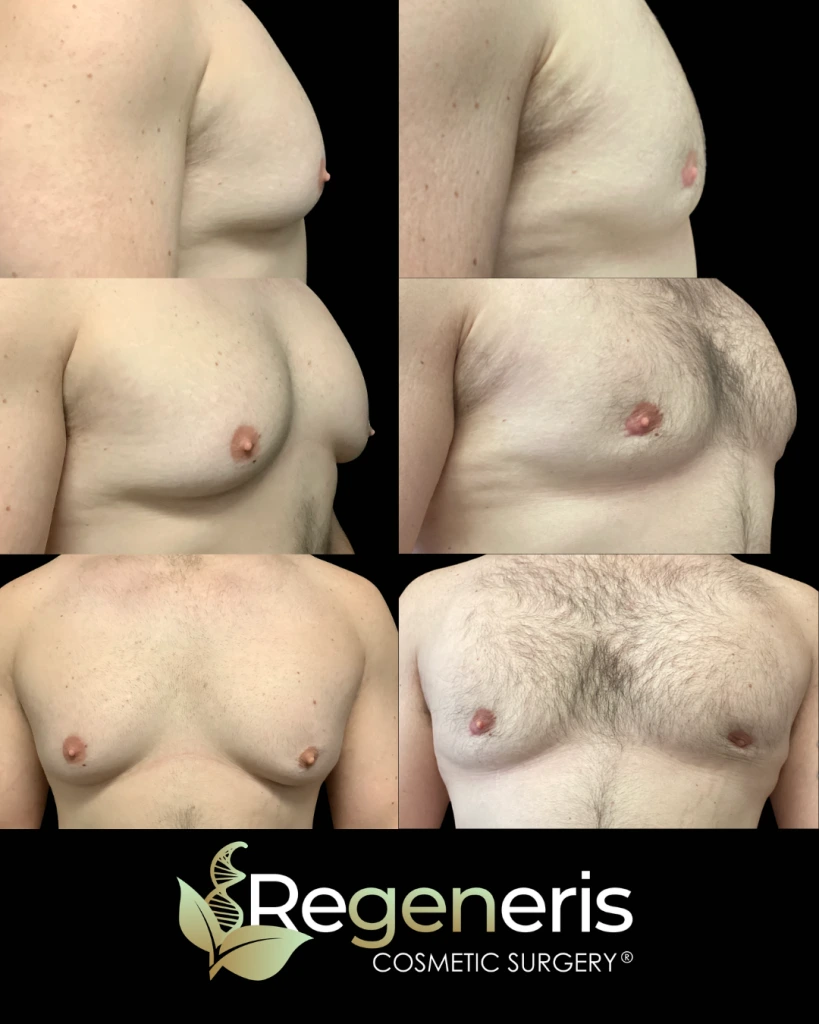
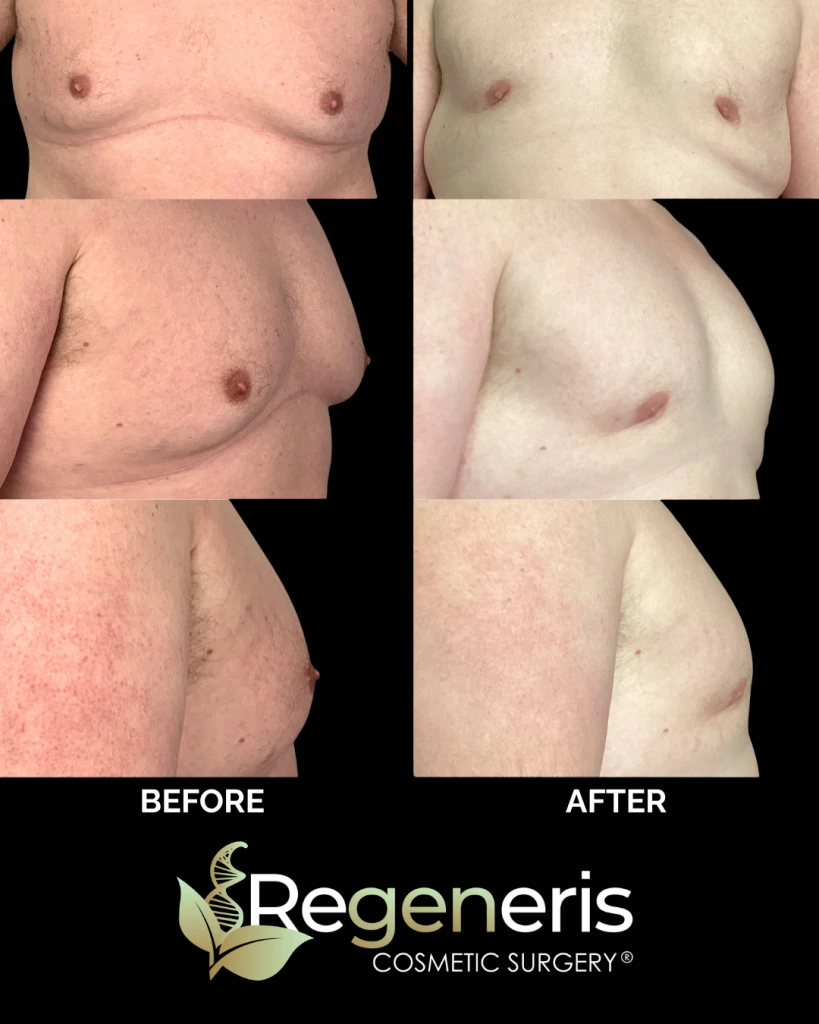
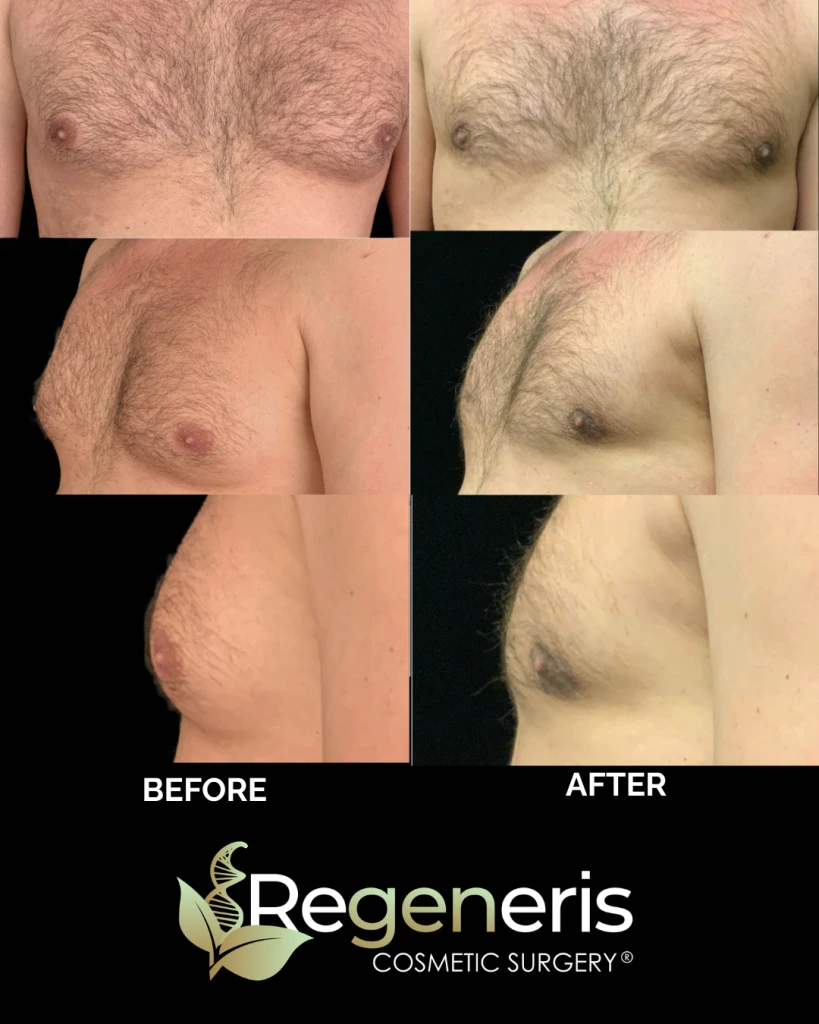
BY DR RYAN WELTER
April 4, 2026