
Fat Transfer Breast Augmentation
in Boston, MA

 Fat transfer breast augmentation is a beautiful option for women who want a natural-looking increase in volume without implants. Using your body’s own fat, this technique enhances fullness while contouring areas where unwanted fat accumulates. Serving patients in Boston, our team prioritizes safety, precision, and compassionate care. that add years to your face, we offer personalized surgical solutions tailored to your unique anatomy and aesthetic goals.
Fat Transfer Breast Augmentation in Boston, MA Banner
Fat Transfer Breast Augmentation Boston, MA Banner

What is Fat Transfer
Brast Augmentation?

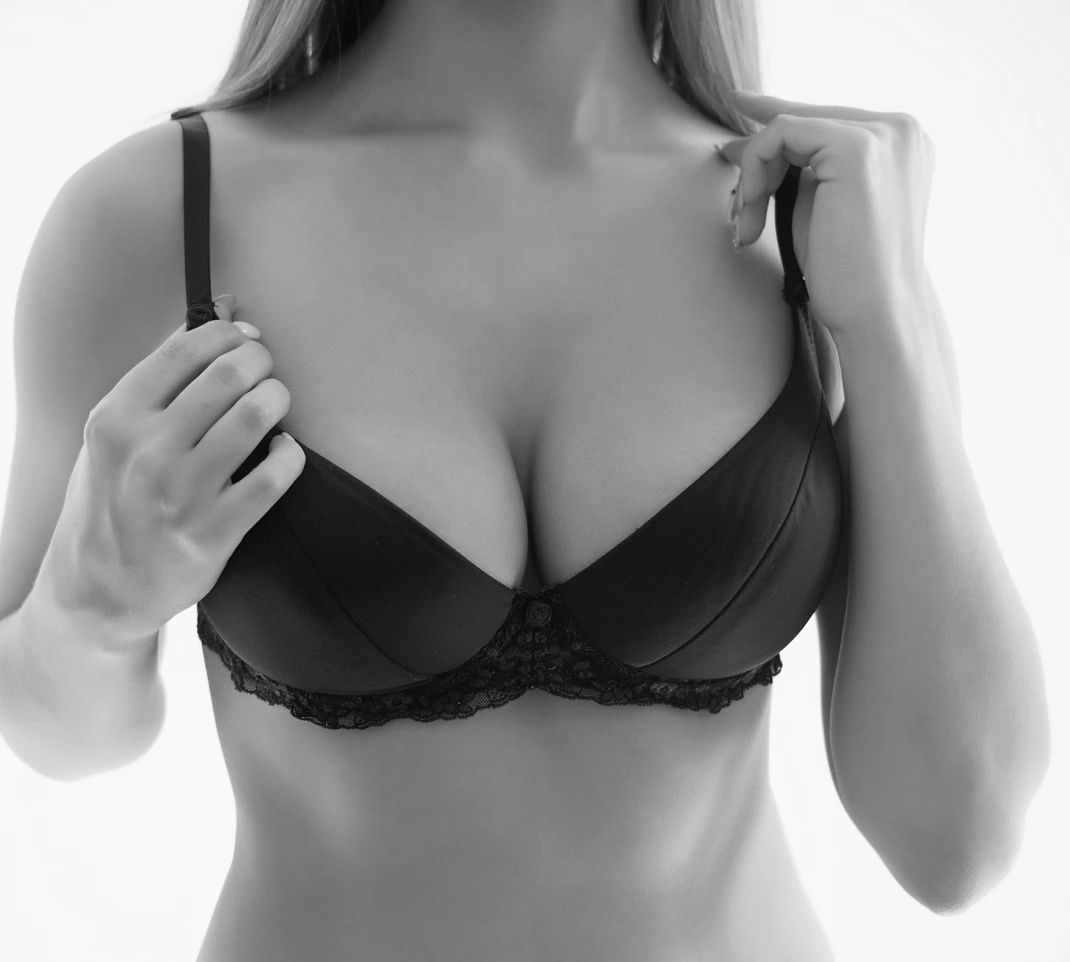
Fat transfer breast augmentation enhances breast volume using your body’s own fat instead of implants. Fat is gently removed from areas like the abdomen or thighs with liposuction, carefully purified, and then injected into the breasts to create a natural-looking increase in fullness. Because it uses your own tissue, many patients appreciate the subtle results and the added benefit of body contouring.
Fat Transfer Breast Augmentation in Boston, Massachusetts Banner

Preparation for
Fat Grafting

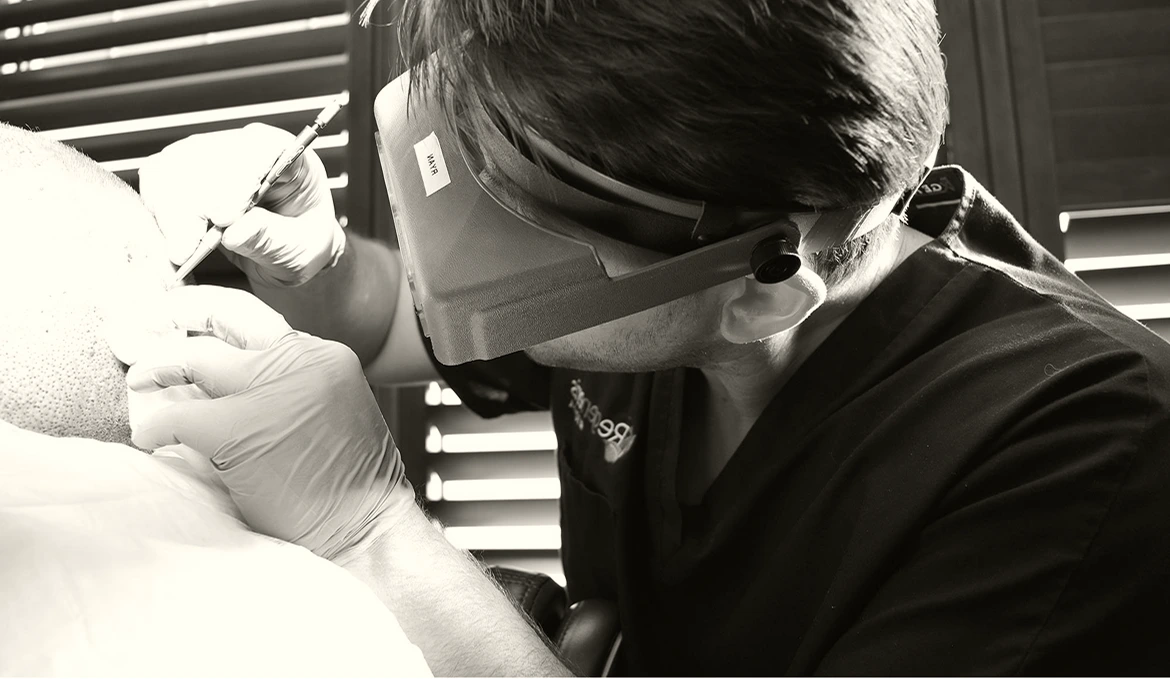
During your initial consultation, Dr. Ryan Welter reviews your aesthetic goals, medical background, and overall health. He will evaluate your existing breast tissue, skin quality, and potential donor areas to ensure you’re a good candidate for natural-looking results.

Be prepared to discuss your medical history, including any family history of breast conditions, as well as current medications or supplements.

How is the Procedure Performed

Your comfort is the first priority. Depending on your treatment plan and preferences, Dr. Welter may recommend local anesthesia with sedation (awake procedure) or general anesthesia (where you’re fully asleep). This decision is made during your consultation and is based on the extent of fat harvesting and your overall health. Both options are safe and carefully monitored to ensure your comfort throughout the procedure.

The procedure begins with gentle fat removal from a carefully selected donor site, such as the abdomen, flanks, or thighs. After making very small, discreet incisions, Dr. Welter uses a specialized liposuction cannula to carefully remove fat while preserving the health of the surrounding fatty tissue. This step not only provides the fat needed for transfer but also contours the donor area for a more sculpted appearance.
Once harvested, the fat is purified to isolate healthy, viable cells. This careful preparation step ensures that only the highest-quality fat is used for transfer.
Dr. Welter then strategically injects the purified fat into targeted areas of the breasts using precise, layered techniques. This allows for careful shaping, improved symmetry, and a natural enhancement.
After the transfer is complete, Dr. Welter evaluates breast contour and symmetry before finishing the procedure. Because the incisions used for both harvesting and injection are very small, scarring is minimal.
Fat Transfer Breast Augmentation Boston, Massachusetts Banner

Add-on Procedure:
Breast lift

For many women, volume loss is only part of the concern – skin sagging can also affect breast shape and position. In these cases, Dr. Welter may recommend combining fat transfer with a breast lift to reposition and reshape the breasts for a more youthful contour.

Recovery After Fat Transfer
Breast Augmentation

Because this is an outpatient procedure, you will return home the same day with detailed aftercare instructions. You can expect soreness in both the breasts and the donor areas, along with mild bruising and swelling. You’ll wear a supportive surgical bra and a compression garment to protect the treated areas and support early healing. Rest is essential during this time, and arranging help at home for the first day is strongly recommended.

During the first week, swelling and tenderness are most noticeable, particularly in areas treated with liposuction. Discomfort is typically manageable with prescribed or over-the-counter medication. While light walking is encouraged to promote circulation, strenuous activity should be avoided. Most patients can return to non-physical work within several days, depending on how they feel.
By this stage, initial discomfort has significantly improved. You should still avoid intense workouts or heavy lifting for at least two weeks, sometimes longer, depending on your specific plan. As post-op swelling subsides, you’ll begin to see early contour changes in both the breasts and donor areas. Dr. Welter will advise you on when to gradually resume normal exercise and daily routines.
Final results become more apparent between three and six months, once healing is complete and residual swelling has resolved. Dr. Welter may recommend scar care options, sometimes including topical products, if appropriate for your skin. At this stage, patients can fully appreciate their natural-looking enhancement and refined contours.
Natural Fat Transfer Breast Augmentation in Boston, MA Banner

Scar Care Tips

Because the incisions for both fat harvesting and injection are very small, scarring from a fat transfer breast augmentation is typically minimal. However, proper care is essential to ensure they heal as discreetly as possible. Always follow Dr. Welter’s specific post-operative instructions, but here are some general tips to support healing:
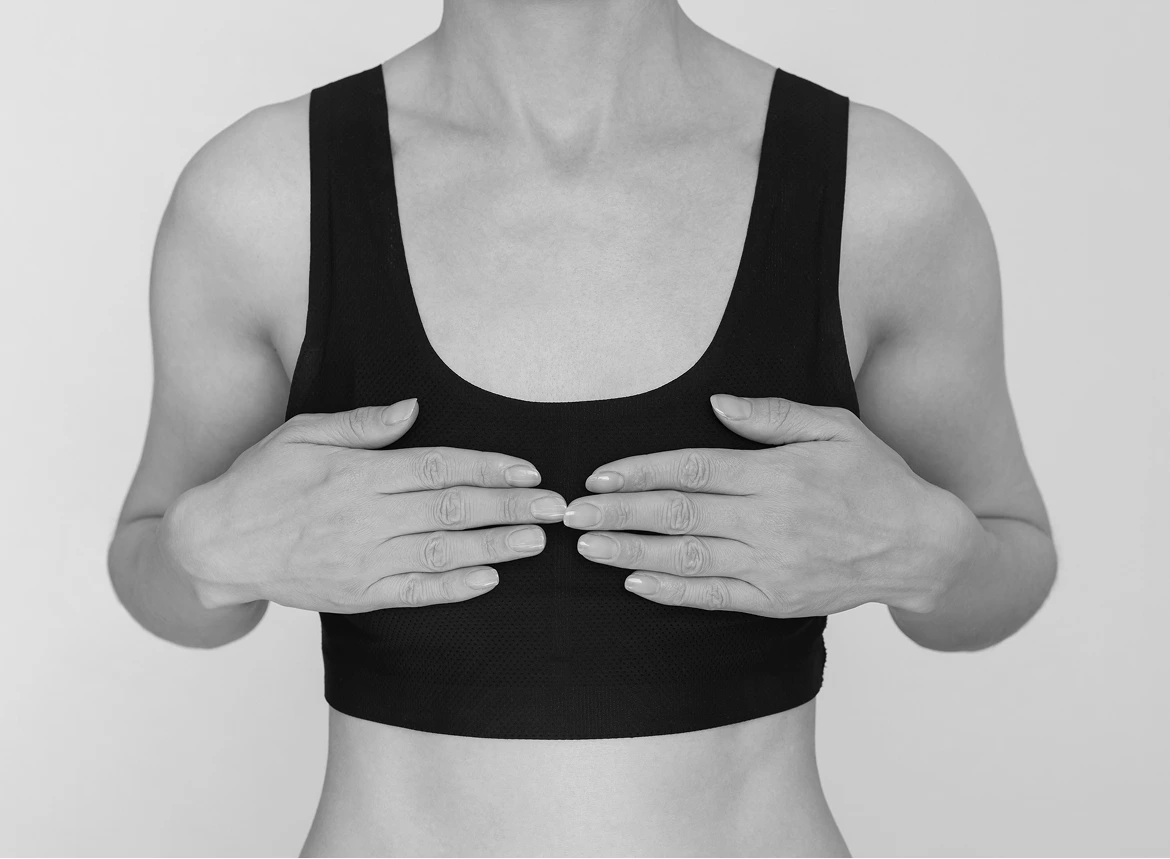
  •  Protect from the Sun: Keep your scars completely covered, or apply broad-spectrum SPF 30+ sunscreen once the incisions have fully closed. Sun exposure can cause scars to darken and become more noticeable.
  • Keep the Area Clean: Follow your aftercare instructions for cleaning the incision sites to prevent infection and support healthy tissue regeneration.
  • Consider Silicone Products: Once cleared by your surgeon, medical-grade silicone sheets or gels can help flatten and fade scars by keeping them hydrated.
  • Gentle Massage: Your surgeon may recommend gently massaging the scars after a certain point in your recovery. This can help break down scar tissue and improve flexibility.
  • Stay Hydrated and Eat Well: A healthy diet and proper hydration provide your body with the nutrients it needs to repair skin and tissue effectively.
Fat Grafting Breast Augmentation in Boston, MA Banner

Am I a Good
Candidate
for This
Procedure

You may be a good candidate for fat transfer breast augmentation if you are in good health, have realistic expectations, and have enough excess fat in areas like the abdomen or thighs to achieve your desired enhancement. This procedure is often a great option for women seeking subtle volume, improved shape, or correction of mild breast asymmetry without implants.

Share your full medical history, including any personal or family history of breast cancer, during your consultation. Candidates should also be at a stable weight, as significant weight loss after surgery can affect results.

Benefits of Fat Transfer Breast Augmentation

Fat transfer breast augmentation offers a natural approach to enhancing shape and balance. For women who want subtle results without implants, this procedure provides unique advantages that support both confidence and comfort.

  • Uses your own natural tissue for a soft feel
  • Enhances breast volume with subtle shaping
  • Improves symmetry and overall proportions
  • Lower risk of rejection since your own tissue is used

Cost of Fat Transfer Breast Augmentation in Boston, MA

The cost of breast augmentation with fat transfer in Boston typically ranges from $8,000 to $15,000, depending on factors like the amount of fat transferred and the complexity of your goals. Costs may increase if the procedure is combined with a breast lift or additional body contouring.
Fat Transfer Breast Augmentation Surgeons in Boston, MA Banner

Enhance Your Breast
Size at Regeneris
Cosmetic Surgery

Dr. Ryan Welter brings his deep knowledge and advanced skills in plastic and reconstructive surgery to help patients achieve a beautiful breast volume enhancement. Whether you are looking for a modest increase, correction of asymmetry, or reshaping after life changes, he customizes each plan to your body and goals.
Breast Augmentation with Fat Transfer in Boston, MA Banner

Potential Risks of Fat Transfer Breast Augmentation

While fat transfer is generally considered safe, it is a surgical procedure with potential risks. Dr. Welter will discuss these with you in detail during your consultation to ensure you can make an informed decision.

Potential risks include:

  • Infection at the donor or injection sites
  • Asymmetry in breast shape or size
  • Fat necrosis (lumpiness caused by fat cells that do not survive)
  • Partial fat absorption, requiring a touch-up procedure
  • Changes in breast or nipple sensation
Our team follows strict safety standards and meticulous surgical protocols to minimize risks and support the highest level of patient care throughout every stage of treatment.

Frequently Asked Questions (FAQs)

With fat transfer, most patients can achieve up to 1 cup size increase per session, depending on the amount of fat available for harvesting and how much the breasts can safely accommodate. For larger enhancements, sometimes a second procedure may be recommended.

After breast surgery using fat transfer, it typically takes several months for the transferred fat to fully settle and for swelling to resolve. Most patients see their final shape and volume between three and six months post-procedure.

During the first few weeks, following your post-operative instructions closely is key. Taking appropriate steps, like wearing supportive garments, avoiding strenuous activity, and keeping the surgical sites protected, can help optimize results. You should avoid vitamin E supplements or creams unless specifically approved by your surgeon.
Fat transfer uses your own fat cells, eliminating many concerns associated with implants, such as allergic reactions and other risks. While no procedure is risk-free, fat transfer is generally considered less invasive and offers natural results in both look and feel.
Because fat transfer is considered a cosmetic procedure, it is typically not covered by insurance. Patients are responsible for the cost of the surgery, including any pre-op consultations and follow-up care.