A Medical Argument for Trajectory (Not Metabolism)
Medicine has long recognized central obesity as a risk factor for disease. Excess abdominal fat correlates with insulin resistance, dyslipidemia, hypertension, and future cardiovascular events. The metric with the greatest predictive value is not total body weight but waist circumference, which reflects a distribution of fat that carries metabolic consequence independent of the scale. A forward-projecting abdomen often signals a burden that accumulates quietly for years before clinical consequences emerge.
At the same time, medicine has learned that removing fat surgically does not reliably reverse those metabolic abnormalities. Large controlled studies have shown that liposuction, even when extensive, does not significantly improve insulin sensitivity or glucose metabolism by itself. Subcutaneous fat can be removed without altering the visceral fat depot that drives much of cardiometabolic risk. Individuals with minimal excess fat but significant loose skin are often considered good candidates for male body contouring procedures, especially if they are near their ideal body weight and have good skin elasticity. This distinction matters, and any honest physician must acknowledge it plainly.
Yet clinical medicine does not operate in isolation from human behavior. Bodies do not change in laboratories alone. They change in kitchens, bedrooms, workplaces, and gyms, where habits form and dissolve over time. Contributing factors such as damage to collagen and elastin fibers, as well as rapid weight loss, can influence how skin responds to weight changes and may lead to sagging skin. It is within this broader context that a different question arises, one that does not contradict existing data but addresses what the data do not yet fully measure.
The Question of Trajectory
The question is whether altering body shape can alter behavioral trajectory. This concept appears repeatedly in other domains of health and performance, even when the mechanism does not directly address disease. Making a bed does not clean a house, but it changes how a day begins. Dressing well does not create competence, but it influences posture, confidence, and conduct. These actions do not cure underlying problems, yet they alter momentum, and momentum accumulates.
Men who seek body contouring often arrive at a specific crossroads. They exercise regularly. They work long hours. They attempt moderation in diet and alcohol. Their weight may remain stable, yet their waistline advances. The abdomen rounds forward. Clothing pulls. Mirrors frustrate. The disappointment does not arise from vanity alone, but from effort that no longer translates into visible progress.
When shape changes despite effort, many men disengage gradually. Physical activity declines at the margins. Sleep quality worsens. Eating loosens without intention. The abdomen becomes both cause and consequence of retreat. This pattern represents a downward behavioral trajectory that medicine recognizes but rarely names explicitly, even though it plays a central role in long-term risk.
Body contouring intervenes at this juncture not by correcting metabolism directly, but by restoring alignment between effort and appearance. The distinction matters. Removing subcutaneous fat does not cure insulin resistance in a mechanistic sense. It can, however, change how a man occupies his body and structures his day.
Behavior as the First Signal
Clinical observation supports this sequence repeatedly. Men who undergo abdominal contouring often demonstrate immediate changes in posture and movement. They stand straighter. They choose different clothing. They resume activities they had quietly abandoned. These changes do not appear in laboratory values within weeks, but they manifest consistently in behavior, which is the earliest and most reliable driver of downstream risk. Behavior drives risk over time, even when biology sets the stage.
The emerging literature on fatherhood and cardiovascular health reinforces the importance of timing. Studies published in BMJ Open document declines in physical activity, sleep quality, and diet during early fatherhood, accompanied by weight gain and worsening cardiovascular metrics. These changes occur during a life stage when long-term trajectories are set, and once habits harden, reversal becomes increasingly difficult.
This context reframes the role of intervention. The goal shifts from treating disease to preventing drift. Preventive medicine refers to this approach as primordial prevention, which aims to interrupt risk pathways before pathology declares itself. Interventions that alter behavior during this window may carry disproportionate long-term value.
Viewed through this lens, body contouring becomes neither cosmetic indulgence nor metabolic cure. It becomes a structural intervention with behavioral consequences that may support healthier trajectories when combined with lifestyle and medical management.
The GLP-1 Era, Weight Loss, and Its Aftermath
The current cultural moment sharpens this question further. We now live in the era of GLP-1 agonists. Medications such as semaglutide have transformed weight loss by suppressing appetite and altering gut signaling. Their metabolic benefits are well documented, including improvements in glycemic control and reductions in cardiovascular events among high-risk populations.
Public figures reflect this shift visibly. Charles Barkley, long celebrated for carrying weight with humor and confidence, now appears noticeably leaner. The change feels abrupt because it is, and it signals how quickly pharmacology has reshaped the landscape.
Yet this transition introduces new challenges. Rapid weight loss often leaves behind excess skin. After people lose weight, especially rapidly or after weight loss surgery, extra skin and skin folds can develop on the abdomen, arms, thighs, and torso, which can cause embarrassment, discomfort, and side effects such as rashes, infections, or difficulty moving. Excess skin can be a concern just about anywhere on the lower or upper body, as well as around the torso after weight loss. Treating excess skin after weight loss surgery can improve your quality of life and help keep the weight off. It is important to reach your goal weight and maintain it before considering male body contouring procedures for optimal results. Muscle mass can decline if resistance training lags. Some patients disengage from activity once medication carries the burden. Others struggle when the drug stops. In many cases, shape rather than weight becomes the limiting factor for sustained engagement.
A man who loses substantial weight pharmacologically but avoids mirrors because of abdominal laxity may not sustain the behaviors that lowered his risk in the first place. In such cases, contouring does not replace medication or lifestyle change. It complements them by restoring coherence between effort, outcome, and identity.
This argument remains conjectural, but it rests on established components. Waist circumference predicts cardiometabolic risk. Physical activity improves insulin sensitivity. Behavioral adherence improves when outcomes feel visible and rewarding. Body image influences behavior in measurable ways. What the literature has not yet done is formally connect these components into a single longitudinal model, which invites cautious hypothesis rather than overstatement.
Clothes and Confidence
After significant weight loss, many people find themselves facing a new challenge: loose or sagging skin that can undermine the satisfaction of their achievement. This excess skin is more than a cosmetic concern—it can make it difficult to find clothes that fit comfortably or flatter the new body shape. Shirts may hang awkwardly, pants may bunch, and the simple act of getting dressed can become a daily reminder of the body’s past. For many, this disconnect between effort and appearance can erode confidence and limit participation in activities they once enjoyed.
Body contouring surgery, performed by a board certified plastic surgeon, offers a solution for those struggling with these changes. Procedures such as tummy tuck, breast lift, and arm lift are designed to remove loose skin, tighten underlying tissues, and restore a more natural, toned silhouette. By addressing areas of excess skin and stubborn fat, body contouring can help individuals achieve a body shape that better reflects their hard work and commitment to weight loss. The result is often a renewed sense of confidence and the freedom to wear clothes that fit well and feel good.
Maintaining a healthy weight through a balanced diet and regular physical activity remains essential—not only for appearance, but for reducing the risk of chronic medical conditions like high blood pressure, heart disease, and insulin resistance. Weight loss medications, bariatric surgery, and other interventions can help achieve significant weight loss, but they also increase the likelihood of developing excess or sagging skin, especially when weight is lost rapidly. Several factors, including age, genetics, and the amount of weight lost, contribute to how the skin responds.
Choosing a board certified plastic surgeon is crucial for those considering plastic surgery procedures to remove loose skin and contour the body. A skilled, experienced surgeon can help patients set realistic expectations, minimize risks, and achieve their desired results safely. When combined with ongoing healthy habits, body contouring can be a powerful tool—not just for tightening loose skin, but for supporting long-term confidence, physical activity, and overall well-being. By treating insulin resistance, maintaining a healthy weight, and addressing the physical changes that come with major weight loss, individuals can reduce their risk of high blood sugar, gestational diabetes, and other health conditions, while enjoying a more active and confident life.
Clinical Observation of Body Contouring Surgery
In practice, combination approaches appear promising. Medication reduces appetite and visceral fat. Exercise preserves muscle mass and metabolic flexibility. Body contouring removes resistant subcutaneous fat and tightens skin. Together, these interventions may shift a man onto a healthier trajectory even if no single intervention deserves exclusive credit.
After major weight loss, the most effective procedures for male body contouring include tummy tuck (abdominoplasty), which removes extra skin and fat from the abdomen and tightens the abdominal muscles; panniculectomy, which removes extra skin and fat hanging over the groin or thighs; lower body lift, which removes sagging skin from the buttocks, thighs, and abdomen while tightening underlying muscles; arm lift (brachioplasty) for the upper arms; back lift for rolls of extra skin on the back; breast lift surgery to reshape and raise the breasts; gynecomastia surgery to remove excess glandular tissue and fat from the chest for a flatter, more masculine contour; and neck lift for facial and neck contours. Plastic surgery is often the most effective way to remove loose skin and reshape the body after major weight loss, and choosing a board-certified plastic surgeon with experience in these procedures is crucial. Non-surgical and minimally invasive options, such as CoolSculpting, EMSCULPT, ultrasound-based therapies, radiofrequency therapy, laser-based skin tightening, and Renuvion, are also available. Renuvion is a minimally invasive procedure using radiofrequency and helium, offering immediate results and less risk of burns or injury compared to other devices. High-definition liposculpture and liposuction can remove stubborn fat deposits and create muscular definition, with liposuction providing immediate results, while non-surgical methods may take longer to show full effects. After surgery, compression garments are typically recommended for six to eight weeks, and surgical drains may be required. Recovery can take several months, and it is important to follow discharge instructions and quit smoking before surgery to reduce risks. Body contouring surgery is generally safe but carries risks such as infection, scarring, and adverse reactions to anesthesia, so consulting a healthcare provider for personalized advice is essential. Skin removal surgery usually involves incisions and recovery time, and soreness can last for several weeks. Treating excess skin can improve the way clothes fit and help people feel more comfortable with their new look.
Clinicians describe this pattern without flourish. One surgeon observed that “When men like what they see, they move more,” while another emphasized sequence by noting that “The first change is behavioral, and everything else follows if it follows at all.” A third reinforced the temporal lag between appearance and biomarkers, stating that “The lab work changes later, if it changes at all.”
Several clinicians pointed to motivation rather than metabolism as the early inflection point. One remarked that “The procedure removes an excuse,” while another concluded that “Momentum matters more than mechanism in the early phase.”
Patients echoed this framing in plain language. A middle-aged engineer reflected that “I did not become athletic. I became willing,” while another noted that “I stopped bargaining with myself once the mirror stopped arguing.” Others focused on engagement rather than numbers, with one saying that “I felt lighter before the scale moved,” and another concluding that “I stayed engaged.”
These statements do not claim cure. They describe alignment between effort and outcome.
Long Term Conclusion
Medicine advances when it respects complexity and errs when it reduces human outcomes to single variables. Central obesity remains dangerous. Removing subcutaneous fat does not erase that danger by itself. Yet ignoring the behavioral consequences of shape risks missing an opportunity to support healthier trajectories during critical life stages.
The future likely belongs to integration. Weight-loss medications will continue. Exercise will remain foundational. Nutrition will matter. Body contouring will occupy a narrower but meaningful role. Its value will lie not in lowering glucose directly, but in sustaining the behaviors that do.
Trajectory determines outcome more often than any single intervention. Treating shape does not treat disease, but it can support the conditions under which health becomes easier to maintain. That claim remains cautious, and it remains plausible. Medicine should remain comfortable in that space.
BEFORE AND AFTER
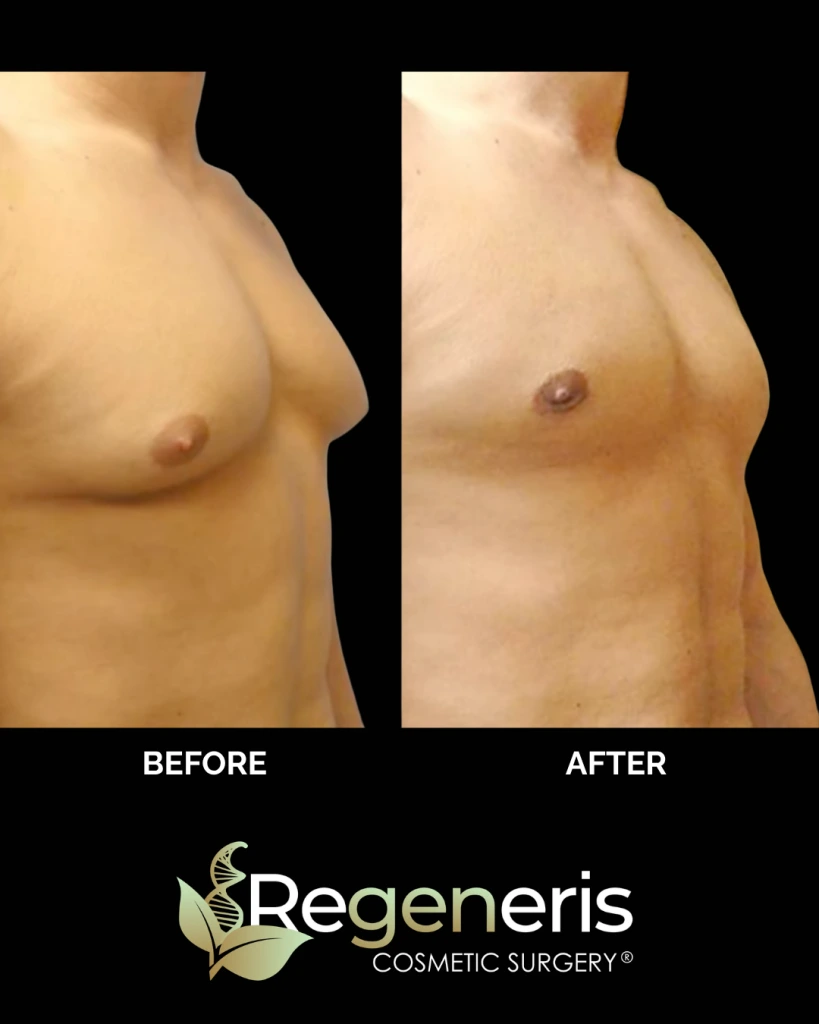
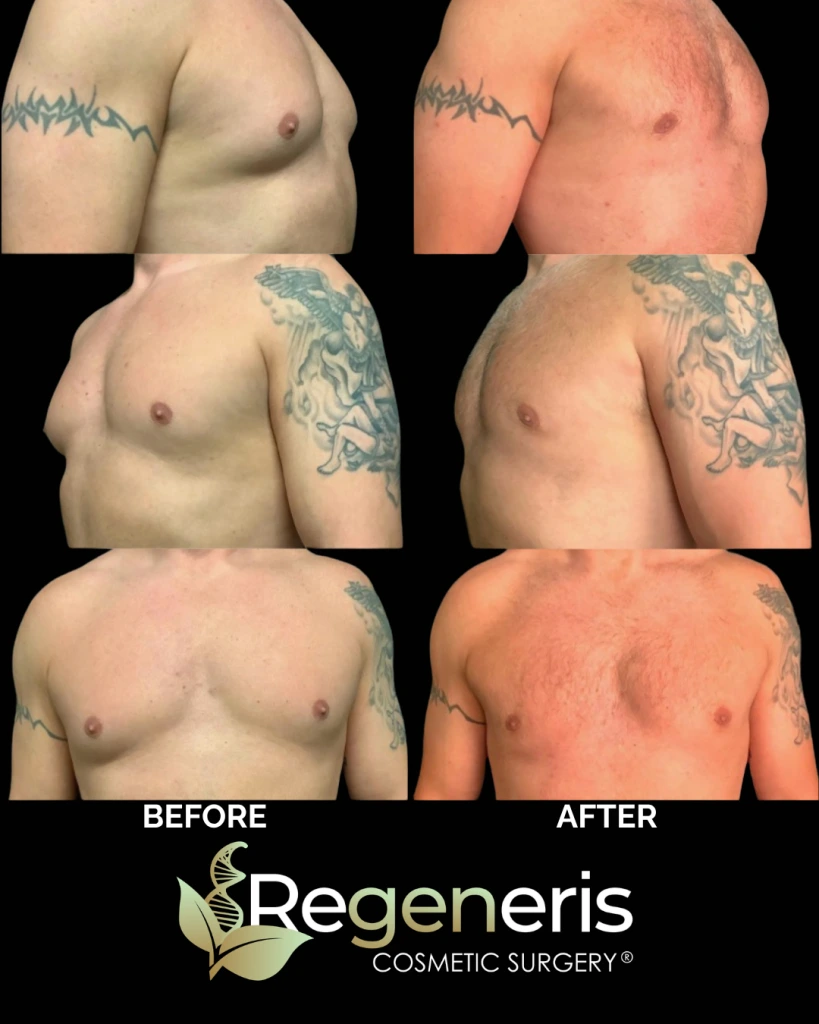
BY DR RYAN WELTER
April 4, 2026