Why Structure, Not Weight, Determines Engagement in Midlife Men
Men experience aging first as a change in shape rather than as a change in numbers. The scale may remain stable; blood work may sit just inside the reference range; strength may persist in arms and legs. Yet the torso changes its geometry. The waist thickens; the abdomen pushes forward; the chest loses definition or fills in unevenly. The V-shaped outline that once signaled balance between muscle and mass collapses into a column, and with that collapse comes a subtle but persistent disengagement. Men with a dad bod often possess moderate muscle mass beneath a layer of body fat, rather than being purely sedentary. This physique reflects a balance between a visible beer gut and a history of working out. Despite these changes, many men continue to build muscle or maintain strength, but the underlying muscle may be less visible due to increased fat.
This shift matters because the male torso functions as a structural center. Broad shoulders tapering to a narrower waist distribute load efficiently; they support posture, movement, and stamina. When that taper disappears, effort feels less productive. Shirts pull at the midsection; belts tighten; mirrors contradict discipline. The frustration is not cosmetic alone. It reflects a mismatch between work and outcome, and men respond to that mismatch behaviorally long before disease announces itself.
Central Adiposity and Risk
From a metabolic perspective, central adiposity carries risk regardless of cultural framing. Abdominal fat often presents as a noticeable spare tire or beer belly around the waist for those with a dad bod, due to the accumulation of extra fat in this area. Excess abdominal fat correlates with insulin resistance, dyslipidemia, hypertension, and future cardiovascular disease. Waist circumference predicts risk more reliably than body weight, because it reflects distribution rather than mass.¹ ² ³ These relationships are well established, and no serious physician disputes them.
At the same time, medicine has also demonstrated that removing fat surgically does not cure insulin resistance or reverse metabolic disease by itself. Liposuction removes subcutaneous fat; visceral fat drives much of the risk.⁴ ⁶ These facts coexist, and neither negates the other.
Behavior and Trajectory
Clinical medicine, however, does not operate in isolation from lived experience. Bodies change in kitchens, offices, gyms, and bedrooms, where behavior shapes trajectory. The dad bod often signals a prioritization of family, career, and enjoyment of life over strict fitness regimes. It is also often viewed as a maintained body that can still handle physical demands like lifting children. Men who lose the V shape despite sustained effort often disengage incrementally. Physical activity becomes less spontaneous; resistance training feels unrewarding when contour does not respond; recreational movement gives way to efficiency, making it challenging to maintain healthy habits or body composition despite lifestyle changes. Sleep shortens; diet loosens at the margins. The abdomen and chest become both cause and consequence of retreat, and by the time laboratory markers worsen, the behavioral pattern has already hardened.
Structural Intervention
VASER liposuction intervenes at this structural inflection point. Ultrasound energy selectively emulsifies subcutaneous fat while preserving connective tissue, vessels, and nerves; the technique favors precision over volume and contour over debulking. Applied to the abdomen and flanks, VASER restores the underlying geometry that allows the shoulders to read as broad again because the waist no longer competes with them. The objective is not thinness. The objective is taper, and taper changes how a man occupies space.
Male chest contouring is one of several aesthetic procedures now sought by more men to address a parallel problem. Gynecomastia and pseudogynecomastia blur the upper portion of the V shape, flattening the transition from shoulder to waist and adding visual weight to the torso. Gynecomastia can present at any age and affects up to 50% of men in the United States. Hormonal changes, such as declining testosterone and relatively increased estrogenic influence, can lead to enlarged breasts in men by directing fat and excess glandular tissue toward the chest even in those who exercise regularly. Weight loss alone often fails to correct this fullness, and rapid pharmacologic loss can exaggerate sagging skin and laxity.
VASER allows selective removal of fatty tissue in the male chest, and when excess glandular tissue contributes, surgeons perform surgical excision—often making incisions around the areola under local anesthesia—to restore a flatter contour. Most men with gynecomastia have excess glandular tissue in addition to fat, which must be surgically removed to achieve a flat chest. Male breast reduction is the most effective known treatment to treat gynecomastia, and liposuction is the most common form of treatment when fullness is solely the result of too much fat. Male breast reduction can be performed safely and successfully on teenagers and adult men alike. After gynecomastia surgery, patients commonly report an enhanced sense of self-confidence and comfort going shirtless for the first time in years. The results of male breast reduction are meant to be permanent, but maintaining a healthy lifestyle is important to prevent recurrence.
Chest sculpting procedures can also involve liposuction, fat grafting, synthetic implants, or a combination of techniques to enhance the size and definition of the chest. Fat grafting is often used to increase the size and projection of the pectorals in pec sculpting procedures. Candidates for pec sculpting are typically healthy individuals who want to alter the shape and appearance of their chest. Renuvion complements these professional treatments by tightening the overlying skin, preventing the deflated or creased appearance that undermines the result. Together, abdominal sculpting and chest contouring reestablish the continuous lines that define the male torso, allowing the upper body to taper cleanly from shoulder to waist.
Risks and Complications
While male breast reduction and body contouring are considered safe and effective for most patients, it’s important to recognize that, like any plastic surgery, these procedures carry certain risks. Common complications can include infection, bleeding, and scarring, as well as temporary numbness, swelling, or bruising in the treatment area. These effects are typically mild and resolve as part of the normal recovery process, but awareness and proper care are essential.
Gynecomastia surgery, which targets excess breast tissue and glandular tissue, presents its own set of considerations. Some men may experience uneven breast shape, changes in nipple sensation, or nipple asymmetry following the procedure. In severe cases, additional surgery may be required to refine the chest contours and achieve the desired shape. Choosing a board certified plastic surgeon with extensive experience in male breast reduction and body contouring is the most reliable way to minimize these risks and ensure optimal results.
Your surgeon will review your medical history and discuss all potential risks and complications during your consultation, tailoring the treatment plan to your individual needs. Following your surgeon’s instructions throughout the recovery process is crucial. This often includes wearing a compression garment to support the skin and underlying tissue, taking pain medication as prescribed, and temporarily avoiding strenuous exercise or activities that could disrupt healing.
For some patients, persistent excess fat or glandular tissue may require a combination of surgical removal and non-invasive treatments to achieve the best outcome. Maintaining a healthy diet and regular exercise routine not only supports your recovery but also helps preserve muscle mass, promote collagen production, and encourage skin tightening for smoother, more defined results.
Ultimately, understanding the potential risks and complications allows you to make informed decisions about your body and treatment. With the guidance of a skilled surgeon and a commitment to healthy habits, many men experience significant improvements in their appearance and self confidence, enjoying a restored V shape with minimal downtime and risk.
Skin, Envelope, and Completion
Renuvion plays a central role in midlife men because skin does not recoil reliably after volume reduction. Helium plasma energy delivered beneath the skin contracts collagen fibers and promotes gradual remodeling; the envelope adapts to the new structure rather than hanging loosely over it. Without internal tightening, fat removal alone can leave laxity that negates the behavioral benefit of contouring. With it, the torso reads finished rather than altered.
Professional treatments such as Ultherapy® and Velashape™ use advanced technologies to stimulate collagen production, resulting in tighter and smoother skin. Ultherapy® uses ultrasound energy to stimulate collagen production for tighter, smoother skin, while Velashape™ uses radiofrequency and infrared light energy to stimulate collagen production for younger-looking skin.
These interventions do not correct metabolism directly. They alter behavior consistently.
Men who regain a V-shaped outline stand differently; they move with less self-consciousness; they reenter physical spaces they had begun to avoid. Resistance training becomes rewarding again because muscle definition reappears; aerobic activity feels purposeful rather than compensatory; clothing reinforces effort instead of concealing it. These changes precede improvements in laboratory values, yet they influence the habits that determine whether metabolic risk advances or stabilizes over time.⁷ ⁸
The GLP-1 Era
The present era sharpens this argument. GLP-1 agonists have transformed weight loss by suppressing appetite and improving metabolic signaling, and their benefits are real. Yet rapid pharmacologic loss often leaves behind loose skin, softened muscle, and an unfinished body that discourages engagement once the scale stops falling. In men, the abdomen and chest bear this cost disproportionately, flattening structure even as weight drops.
In this context, structural correction does not compete with medication; it complements it. Pharmacology reduces appetite and visceral fat; exercise preserves muscle and insulin sensitivity; VASER removes resistant subcutaneous fat; Renuvion restores the envelope. Each addresses a different failure point. Together, they reduce the likelihood that weight loss will be followed by disengagement and regain.
After structural correction, improvement in appearance continues over time. For example, the final results of a pec enhancement procedure become fully visible after about six months as the skin settles into the new contours. Similarly, results from Ultherapy® can appear gradually over several months, with improvements lasting up to six months after treatment.
Conjecture and Evidence
This model remains conjectural, but its components rest on established observation. Waist circumference predicts cardiometabolic risk; physical activity mitigates insulin resistance; adherence improves when effort produces visible reward; body image influences behavior in measurable ways.⁹ What remains under-studied is how restoring structure influences long-term engagement, but the absence of randomized trials does not erase the consistency of clinical experience.
Selected Quotations From Interviewees
Clinicians describe this pattern without flourish:
- “when the chest flattens and the waist narrows, men move without prompting,”
- “the first benefit is behavioral rather than biochemical.”
- “habits change before numbers do,”
Patients articulate the same phenomenon in plain language. One noted that “the mirror stopped fighting me” while another reflected that “the work felt worth it.” These statements describe alignment between effort and outcome rather than sudden reinvention.
References
¹ Ross R, Neeland IJ, Yamashita S, et al. Waist circumference as a vital sign in clinical practice: a Consensus Statement from the IAS and ICCR Working Group on Visceral Obesity. Nat Rev Endocrinol. 2020;16(3):177-189.
² Jayedi A, Soltani S, Zargar MS, Khan TA, Shab-Bidar S. Central fatness and risk of all cause mortality: systematic review and dose-response meta-analysis of 72 prospective cohort studies. BMJ. 2020;370:m3324.
³ Cao C, Hu J, Colquitt J, et al. Abdominal obesity and the risk of cardiovascular disease: a dose-response meta-analysis of 31 cohorts. Obes Rev. 2021;22(5):e13187.
⁴ Klein S, Fontana L, Young VL, et al. Absence of an effect of liposuction on insulin action and risk factors for coronary heart disease. N Engl J Med. 2004;350(25):2549-2557.
⁶ Giugliano G, Nicoletti G, Grella E, et al. Effect of liposuction on insulin resistance and inflammatory markers. Plast Reconstr Surg. 2004;114(2):492-498.
⁷ Swanson E. Prospective outcome study of 225 cases of liposuction. Plast Reconstr Surg. 2012;130(5):1135-1145.
⁸ Sarwer DB, Thompson JK, Cash TF. Body image and obesity in adulthood. Psychol Bull. 2005;131(2):285-306.
9 Prichard I, Tiggemann M. Relations among exercise type, self-objectification, and body image in the fitness centre environment: the role of reasons for exercise. Psychol Sport Exerc. 2008;9(6):855-866.
BEFORE AND AFTER
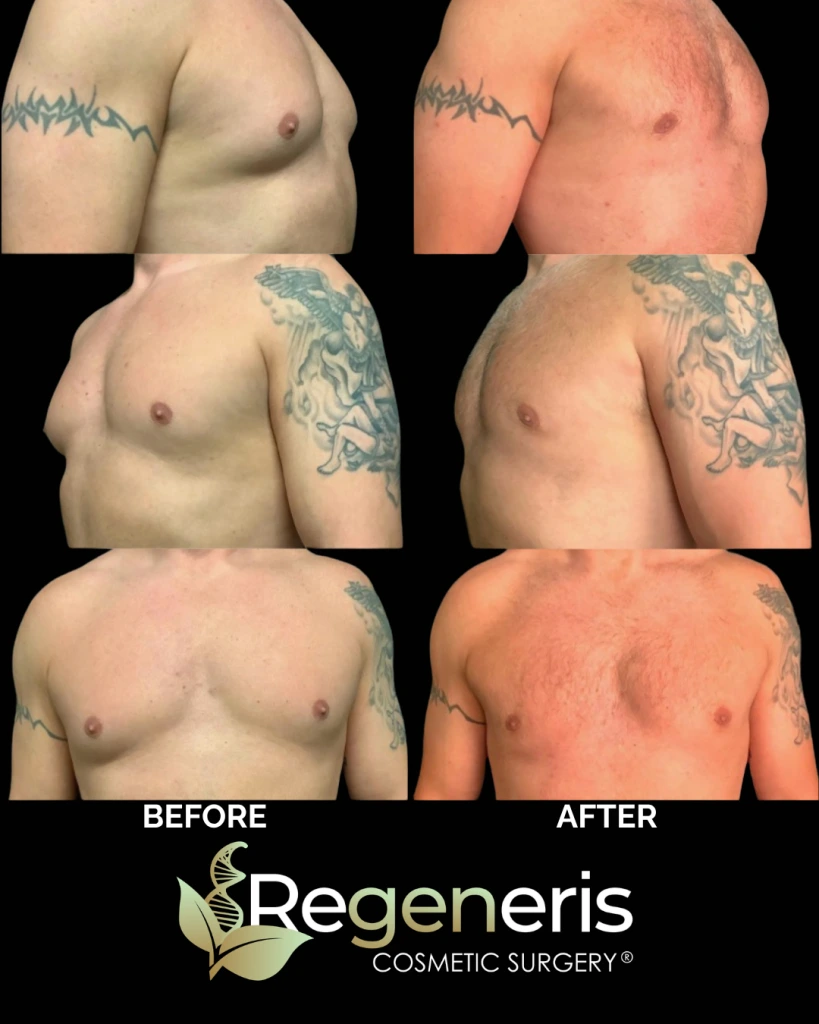
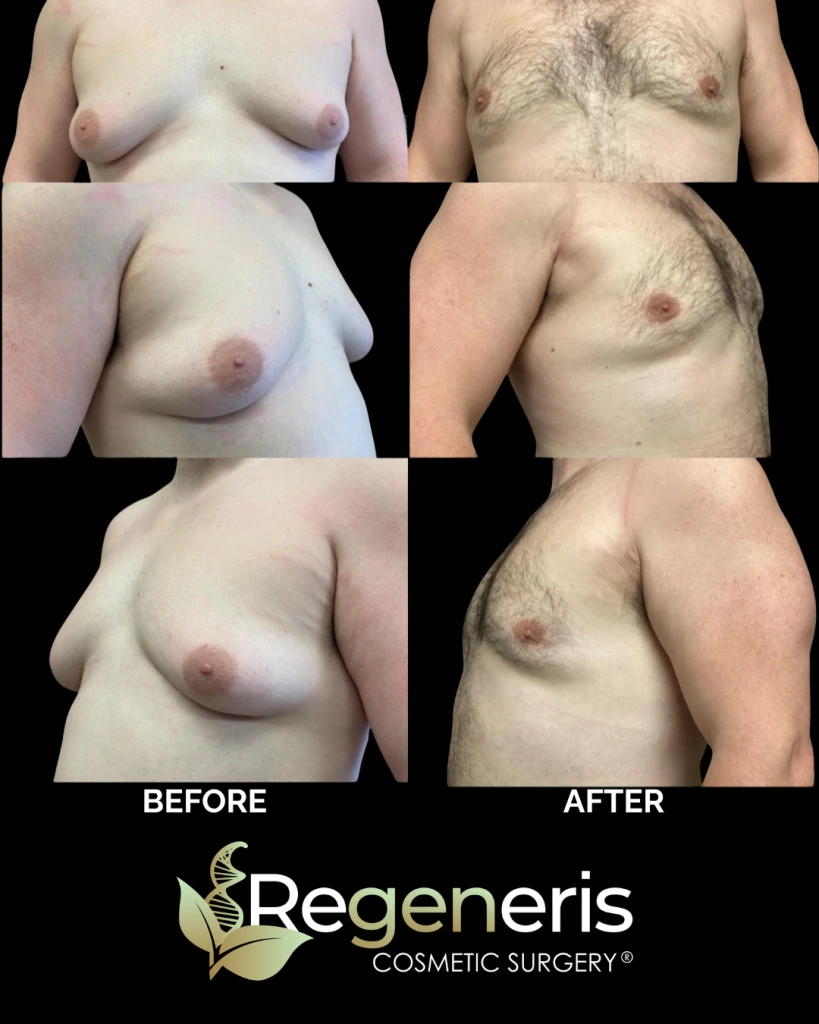
BY DR RYAN WELTER
April 4, 2026