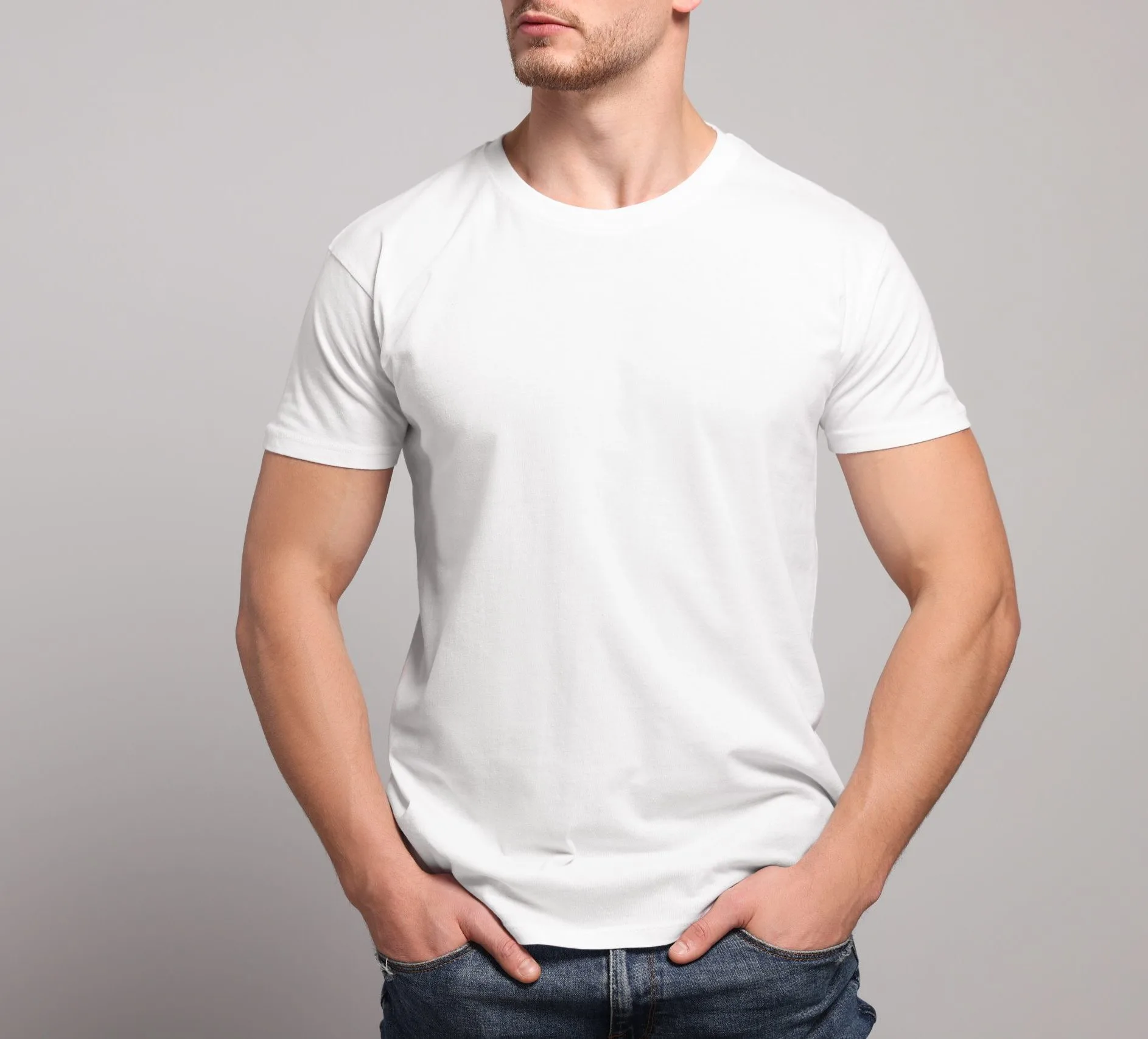
If you’ve spent years wearing looser shirts, avoiding the pool, or feeling uneasy without a jacket on, you already know that enlarged male breast tissue – gynecomastia – can wear on more than just your wardrobe choices. It can chip away at your confidence in ways that diet and exercise never quite fix. For most men, gynecomastia surgery offers a permanent solution: a procedure that removes excess glandular tissue, fat, and – when needed – loose skin, giving the chest a flatter, firmer, more masculine contour that no amount of gym time can achieve on its own.
Gynecomastia occurs when glandular breast tissue in men enlarges, sometimes alongside excess fat or loose skin. Unlike “man boobs” caused purely by weight gain, true gynecomastia often has a hormonal component, which is exactly why it tends to stick around even after a man loses weight or builds muscle.
Surgeons typically describe gynecomastia in grades, which helps determine the right surgical approach:
Grade 1 – Minor fullness, no excess skin, chest still looks close to typical.
Grade 2 – Moderate enlargement with some tissue excess and mild droop.
Grade 3 – Noticeable enlargement with excess skin and a more rounded shape.
Grade 4 – Severe enlargement that may resemble a female breast contour and usually needs more extensive correction.
Knowing your grade matters because it shapes everything that follows – from anesthesia choice to incision placement to recovery time.
The first real step toward a flatter chest isn’t the operating room – it’s an honest conversation. During your consultation, your surgeon will review your medical history, examine your chest, and discuss what’s realistic for your body and goals. Some patients need imaging or bloodwork beforehand, particularly if a hormonal cause is suspected.
A good consultation goes both ways. Don’t hesitate to ask:
What grade of gynecomastia do I have, and how does that affect the plan?
Will I need liposuction, tissue excision, skin removal, or a combination of these?
What type of anesthesia is recommended for my case?
How long is the actual recovery timeline, realistically?
What will scarring look like, and where will incisions be placed?
Leading up to surgery, most surgeons will ask you to:
Maintain a stable weight rather than crash dieting.
Avoid blood thinners, certain supplements, and nicotine.
Arrange for a ride home and help for the first day or two.
Have compression garments ready for after the procedure.
Getting this groundwork right matters more than people expect. A patient who walks in prepared tends to walk out with a smoother recovery.
Here’s where a lot of the anxiety lives – the unknown of “what are they actually doing to my chest?” The good news is that the procedure is well established, and the steps are fairly predictable.
Depending on the extent of correction needed, surgery may be done under local anesthesia with sedation or under general anesthesia. Local numbing plus sedation is common for smaller cases, while more extensive tissue removal usually calls for general anesthesia so the patient is fully asleep and comfortable throughout.
Incisions are placed carefully to minimize visible scarring, with incision size and location depending on how much tissue needs to be removed. From there, the surgeon typically works through a few coordinated steps:
Removing glandular tissue – This is the dense, fibrous tissue that doesn’t respond to diet or exercise, and it’s usually removed through surgical excision.
Reducing fat – Excess fatty tissue is often addressed with liposuction, which helps contour the area smoothly rather than leaving it flat and stiff.
Tightening loose skin – In more advanced cases, sagging skin is trimmed or tightened so the chest doesn’t look hollow once the underlying tissue is gone.
Final contouring – The last step is about symmetry: smoothing, shaping, and checking that both sides balance naturally.
Most procedures take one to three hours, and many men go home the same day.
This is usually the part patients care about most – not just “will it work,” but “what will my life look like for the next six weeks?” Here’s a realistic breakdown.
Expect some swelling, bruising, and soreness right away. This is normal, and it’s where following your surgeon’s post-op instructions closely really pays off. Rest, limited chest movement, and prescribed pain medication make the biggest difference during this window.
You’ll likely wear a compression garment nearly around the clock to control swelling and help the chest settle into its new contour. Activity stays light – this isn’t the week to push yourself.
Swelling and bruising start fading noticeably. Many patients can begin gentle movement, though strenuous activity is still off the table. Keeping your weight stable during this stretch helps protect the results you’re healing into.
Daily life mostly returns to normal, though heavy lifting and intense workouts usually need to wait a bit longer. The compression garment may still make occasional appearances to support the shape as tissues continue to settle.
By this point, most men see a clear, confident improvement in chest contour and firmness. Chest exercises can typically resume, scarring continues to fade, and the results become something you stop thinking about – because your chest finally just looks like part of you.
Gynecomastia surgery works best for men who are in good general health, are close to a stable weight, and have tissue that hasn’t responded to lifestyle changes. Some men also have concerns beyond the chest – excess fat around the waist, or areas that could benefit from additional male liposuction – and combining procedures during one recovery period can be a practical option worth discussing at your consultation.
If you’re unsure whether you’re a candidate, that’s completely normal – it’s exactly what the consultation is for.
Gynecomastia surgery is part science, part artistry. The technical steps – excision, liposuction, skin tightening – matter, but so does the surgeon’s eye for symmetry and proportion. At Regeneris Cosmetic Surgery, Dr. Ryan Welter combines his medical background with an aesthetic sensibility built over years of practice, so results look sculpted rather than simply “operated on.”
Every man’s chest is different, which is why a personalized plan tends to produce the most natural-looking outcome. If you’d like to see real results, Regeneris’s gallery shows before-and-after photos from actual patients.
Living with gynecomastia can feel like a constant, quiet source of self-consciousness – the kind that shapes small decisions every single day, from what shirt you grab to whether you take it off at the beach. Surgery won’t rewrite your whole life, but for many men, it removes a persistent source of discomfort and lets their confidence catch up with the rest of them.
If you’re ready to talk through your options, scheduling a consultation is a low-pressure way to get real answers about your specific case, your goals, and what recovery would actually look like for you.

About the Author
BY DR RYAN WELTER
Dr. Welter, is internationally known in the fields of cosmetic surgery, regenerative medicine, and hair restoration. With a degree and an M.D. from the University of Oklahoma, he works like a magician to bring out your best look. His approach empowers you to feel confident and true to yourself.
September 22, 2026

