Breast augmentation with fat transfer is a beautiful option for women who want a natural-looking increase in volume without implants. Many patients come to Regeneris Cosmetic Surgery feeling self-conscious about volume loss after pregnancy or weight changes, bothered by mild asymmetry, or simply wishing for a more balanced shape. Using your body’s own fat, this technique enhances fullness while contouring areas where unwanted fat accumulates. Serving patients in Boston, our team prioritizes safety, precision, and compassionate care, so you can feel comfortable, informed, and confident in your decision.


This cosmetic procedure, also known as autologous breast augmentation, enhances breast volume using your body’s own fat instead of implants. Fat is gently removed from areas like the abdomen or thighs with liposuction, carefully purified, and then injected into the breasts to create a natural-looking increase in fullness. Because it uses your own tissue, many patients appreciate the subtle results and the added benefit of body contouring.

Preparation for breast fat grafting begins with a detailed consultation with Dr. Ryan Welter, where your goals, medical background, and overall health are carefully reviewed. He will evaluate your existing breast tissue, skin quality, and potential donor areas to ensure you’re a good candidate for natural-looking results. Be prepared to discuss your medical history, including any family history of breast conditions, as well as current medications or supplements. Clear guidance and personalized planning help you feel informed, confident, and fully prepared for surgery.
Your comfort is the first priority. Depending on your treatment plan and preferences, Dr. Welter may recommend local anesthesia with sedation (awake procedure) or general anesthesia (where you’re fully asleep). This decision is made during your consultation and is based on the extent of fat harvesting and your overall health. Both options are safe and carefully monitored to ensure your comfort throughout the procedure.
Once harvested, the fat is purified to isolate healthy, viable cells. This careful preparation step ensures that only the highest-quality fat is used for transfer, which helps support natural-looking results and long-term fat survival.
After the transfer is complete, Dr. Welter evaluates breast contour and symmetry before finishing the procedure. Because the incisions used for both harvesting and injection are very small, scarring is minimal. The entire procedure is performed in a fully accredited operating room, with a strong focus on safety, precision, and achieving beautifully natural outcomes.
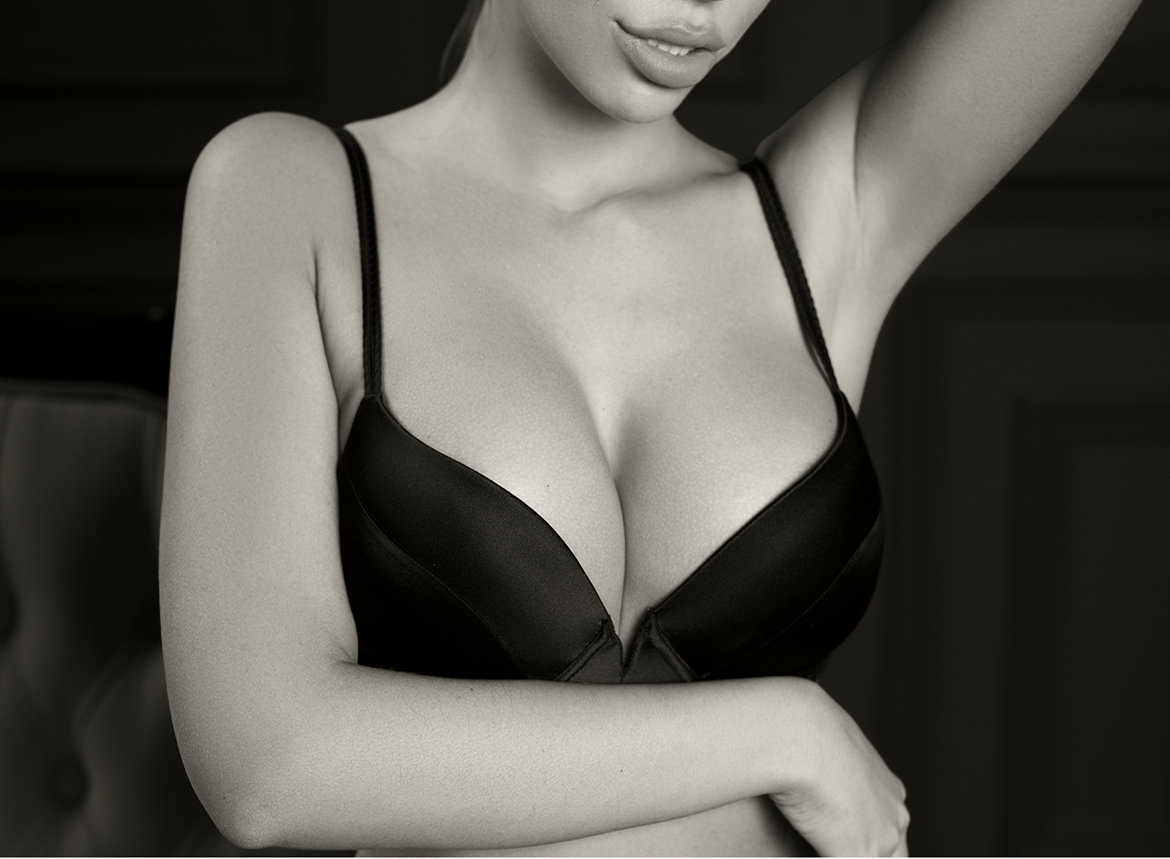
For many women, volume loss is only part of the concern – skin laxity or sagging can also affect breast shape and position. In these cases, Dr. Welter may recommend combining fat transfer with a breast lift to reposition and reshape the breasts for a more youthful contour. This combination approach enhances fullness while also improving firmness and symmetry, creating balanced results tailored to your goals.
During the first week, swelling and tenderness are most noticeable, particularly in areas treated with liposuction. Discomfort is typically manageable with prescribed or over-the-counter medication. While light walking is encouraged to promote circulation, strenuous activity should be avoided. Most patients can return to non-physical work within several days, depending on how they feel.
Final results become more apparent between three and six months, once healing is complete and residual swelling has resolved. Incisions are small and strategically placed, so visible scars are typically minimal and fade over time. Dr. Welter may recommend scar care options, sometimes including topical products, if appropriate for your skin. At this stage, patients can fully appreciate their natural-looking enhancement and refined contours.

You may be a good candidate for breast augmentation with fat transfer if you are in good health, have realistic expectations, and have enough excess fat in areas like the abdomen or thighs to achieve your desired enhancement. This procedure is often a great option for women seeking subtle volume, improved shape, or correction of mild breast asymmetry without implants. It’s important to share your full medical history, including any personal or family history of breast cancer, during your consultation. Candidates should also be at a stable weight, as significant plans to lose weight after surgery can affect long-term results.
Breast augmentation with fat transfer offers a natural approach to enhancing shape and balance. For women who want subtle results without implants, this procedure provides unique advantages that support both confidence and comfort.
The cost of breast augmentation with fat transfer in Boston typically ranges from $8,000 to $15,000, depending on factors like the amount of fat transferred and the complexity of your goals. Board-certified plastic surgeons often charge higher fees, reflecting their training, experience, and commitment to safety. Costs may increase if the procedure is combined with other procedures, such as a breast lift or additional body contouring, but many patients find the results and personalized care well worth the investment.

Dr. Ryan Welter brings his deep knowledge and advanced skills in plastic and reconstructive surgery to help patients achieve a beautiful breast volume enhancement. Whether you are looking for a modest increase, correction of asymmetry, or reshaping after life changes, he customizes each plan to your body and goals. Many patients combine breast fat transfer with multiple procedures to refine body shape while enjoying the added benefit of contouring donor areas. Every procedure is focused on natural-looking results that support improved self-confidence, reflecting the care and precision that has been Dr. Welter’s life’s work.
With fat transfer, most patients can achieve up to one cup size increase per session, depending on the amount of fat available for harvesting and how much the breasts can safely accommodate. For larger enhancements, sometimes a second procedure may be recommended.
During the first few weeks, following your post-operative instructions closely is key. Taking appropriate steps, like wearing supportive garments, avoiding strenuous activity, and keeping the surgical sites protected, can help optimize results. You should avoid vitamin E supplements or creams unless specifically approved by your surgeon.
Because fat transfer is considered a cosmetic procedure, it is typically not covered by insurance. Patients are responsible for the cost of the surgery, including any pre-op consultations and follow-up care.