Hair Transplants
in Boston, MA

Hair loss can impact confidence, self-image, and even daily interactions, leaving many searching for a lasting solution. For those struggling with thinning hair, receding hairlines, or pattern baldness, hair transplants offer a natural, effective way to restore fullness and revitalize appearance. Patients often pursue this procedure to regain a youthful look, enhance self-esteem, and feel more comfortable in both personal and professional settings.

With advanced techniques and personalized plans, Regeneris Cosmetic Surgery in Boston offers the latest treatments tailored to individual needs and delivers results that look and feel natural.

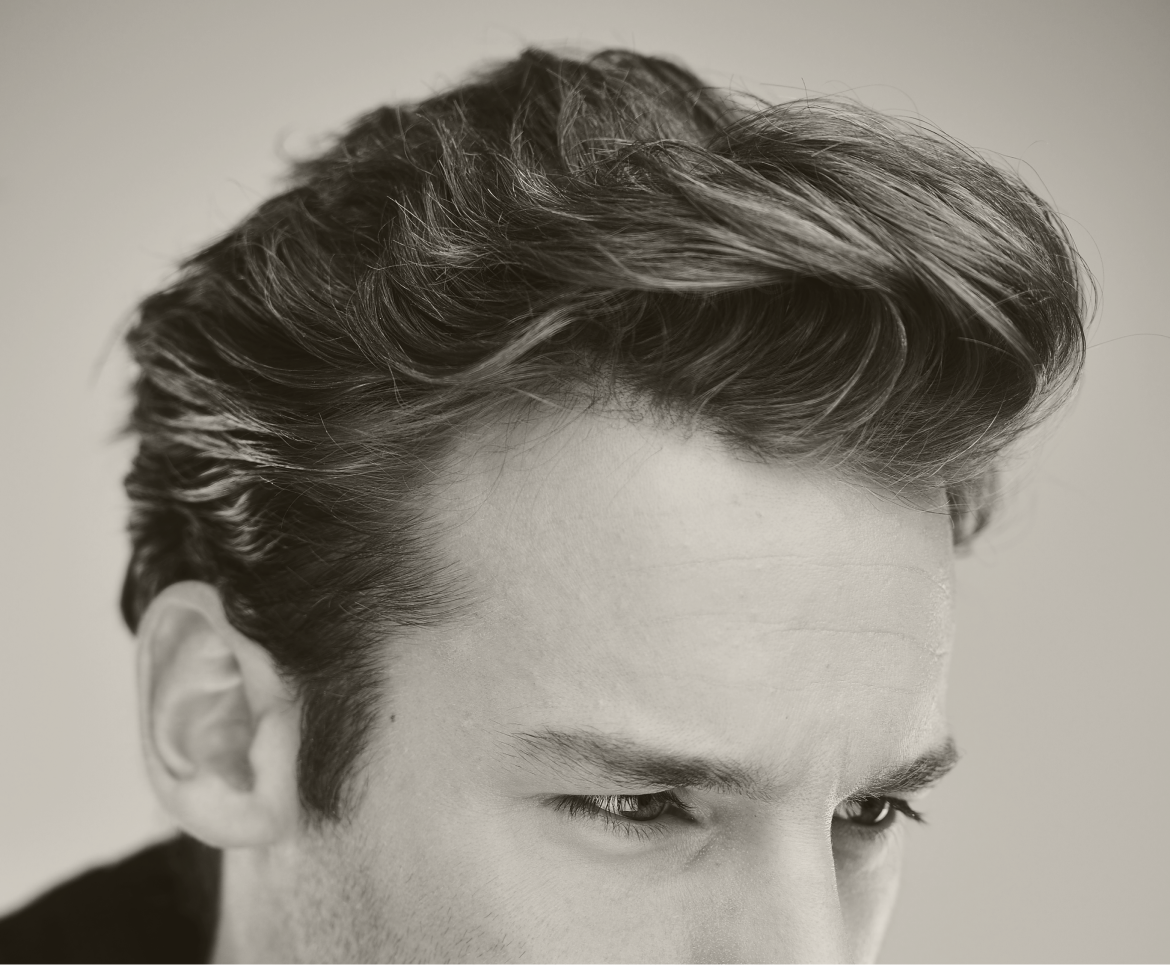
Hair Transplants in Boston, MA Banner

What Is
Male Liposuction?

Hair transplantation is a surgical procedure designed to restore hair by moving healthy hair follicles from one area of the scalp, typically the back or sides, to areas affected by thinning or baldness. The transplanted follicles continue to grow naturally in their new location, providing a long-lasting and natural-looking solution for hair loss.
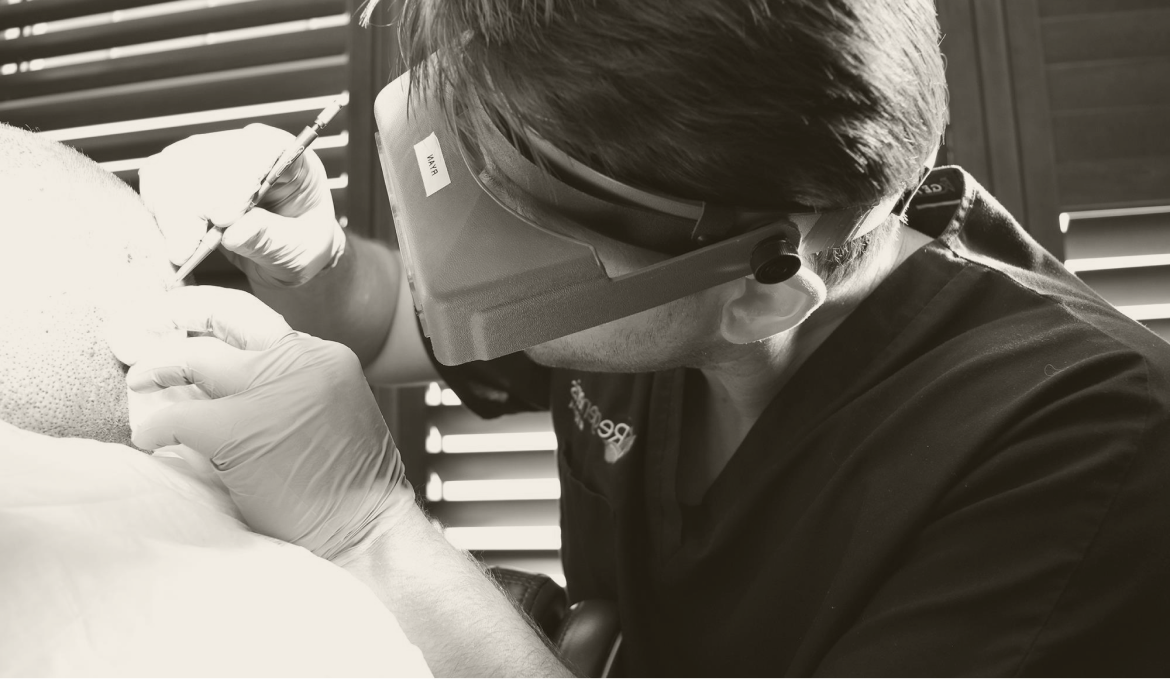
Hair Transplant Options

Follicular unit extraction (FUE) is a minimally invasive hair transplant method that involves harvesting individual hair follicles from donor areas and transplanting them to thinning or bald regions. Advanced techniques like microFUE™ allow for precise extraction with minimal discomfort, while long-hair FUE enables patients to see results immediately without needing to cut their hair short. By carefully transplanting individual hair follicles, FUE provides a natural-looking restoration with minimal downtime and scarring.
Follicular unit transplantation (FUT) involves removing a thin strip of scalp from the donor area, from which individual follicles are carefully dissected and implanted into the recipient site. While this technique leaves a linear scar at the donor site, it allows for the transplantation of a large number of follicles in a single session, making it an effective option for patients seeking significant coverage and density.
The NeoGraft treatment is a semi-automated hair restoration option that gently harvests healthy hair follicles for transplantation. This method ensures each follicle is preserved and implanted with precision, promoting growth that blends seamlessly with existing hair. Patients benefit from a natural appearance, reduced downtime, and minimal scarring, making NeoGraft a reliable choice for those seeking lasting results.
The ARTAS procedure is a robotic-assisted hair transplant system designed to optimize follicle harvesting and placement while prioritizing the patient’s experience. By using advanced imaging and precision robotics, ARTAS can efficiently transplant hair with consistent results, reduced discomfort, and faster recovery, helping patients achieve fuller, natural-looking hair with minimal manual intervention.

Initial Consultation

The initial consultation is a crucial first step in the hair transplantation process, allowing our team to assess each patient’s unique hair loss concerns and evaluate their overall health and medical history. During this comprehensive consultation, we carefully examine your scalp, hair quality, and natural features to develop a personalized treatment plan. By gaining a deep understanding of your hair and your aesthetic goals, we ensure that every recommendation is tailored to achieve results that look natural, balanced, and aligned with your vision for restored confidence.


FUE Procedure: Step-by-Step

A hair transplant begins with careful planning and preparation to ensure precision and natural-looking results. The scalp treatment area is cleansed and mapped, and the surgeon designs the hairline and coverage pattern based on the patient’s facial structure and hair characteristics. This step ensures that the transplant blends seamlessly with existing hair and supports long-term aesthetic outcomes.
To keep patients comfortable throughout the procedure, local anesthesia is administered to numb both the treatment and harvesting areas. This allows the surgeon to perform the transplant without causing pain while the patient remains awake and relaxed. The anesthesia is carefully applied to ensure consistent comfort from start to finish.
Hair follicles are collected from the donor area, typically located at the back or sides of the head, where hair is more resistant to thinning. Depending on the chosen technique, follicles are either individually extracted or obtained from a small strip of tissue. These follicles are then prepared under magnification to ensure their viability before transplantation.
Once the donor follicles are ready, the surgeon creates tiny openings, known as recipient sites, in the areas of hair loss. These sites are strategically positioned at specific angles and depths to mimic natural hair growth patterns, which is essential for achieving a realistic, aesthetically pleasing result.
The final step involves carefully placing the harvested follicles into the prepared recipient sites. Each follicle is positioned with precision to ensure proper direction, density, and distribution. This meticulous placement is what ultimately determines how natural and full the restored hair will appear once growth occurs.

Recovery After
Hair Transplants

Immediately following hair transplant surgery, patients may experience mild swelling, redness, and tenderness in the treated areas. The scalp is sensitive during this time, and it is important to rest, keep the head elevated, and avoid touching or disturbing the transplanted follicles. These initial symptoms are temporary and part of the body’s normal response to the procedure.
During the first week, small scabs begin to form around the transplanted follicles as the scalp heals. Mild itching or tightness is common, but patients are advised not to scratch or pick at the area. Most individuals can return to non-strenuous daily activities during this period while following post-procedure care instructions closely.
As healing continues, the transplanted hairs may shed, which is a normal and expected part of the recovery process. Although this phase can be concerning for some patients, it is a sign that the follicles are transitioning into a new growth cycle. The scalp continues to normalize in appearance, with redness gradually fading.
New hair growth begins to emerge as the follicles become active. The hair may appear fine or uneven at first, but density and texture improve over time. Patients often start noticing early improvements that signal progress toward fuller coverage.
Significant growth becomes more noticeable, with improved thickness and coverage across treated areas. Hair continues to mature, blend with existing strands, and follow natural growth patterns. By the end of this period, patients typically see natural results that reflect the full benefits of their hair restoration procedure.

Candidates for Hair Transplants

Men who experience hair thinning or progressive hair loss may be strong candidates for hair transplants, particularly when their hair loss pattern is well-established and predictable. Ideal candidates typically have sufficient donor hair and realistic expectations about results based on their hair type, density, and scalp characteristics. Factors such as age, overall health, and the stability of hair loss are also considered to ensure the procedure can deliver natural-looking outcomes that align with long-term restoration goals.

Benefits of Hair
Transplants

  • Restores a fuller, more youthful hairline
  • Provides permanent results
  • Uses your own hair for a natural look and feel
  • Improves overall hair density and coverage
  • Boosts confidence and self-esteem
  • Creates results that blend seamlessly with existing hair

Cost of Hair Transplants in Boston, MA

The cost of hair transplants in Boston typically ranges from $4,000 to $15,000, depending on the extent of hair loss and the technique used. Pricing can vary based on the number of grafts required, the technology involved, and the provider’s credentials, as board-certified surgeons tend to charge higher fees due to their advanced training and experience. Personalized treatment plans and long-term results are important considerations when evaluating overall value, not just cost alone.Schedule an appointment with Dr. Ryan Welter to receive personalized price quotes!
What Makes Our Hair
Restoration Surgery
Different From Others?

Our approach to hair restoration focuses on precision, artistry, and patient-centered care to deliver results that look natural and balanced. Every procedure is performed with close attention to detail, advanced techniques, and a commitment to helping patients achieve outcomes that align with their goals and expectations.

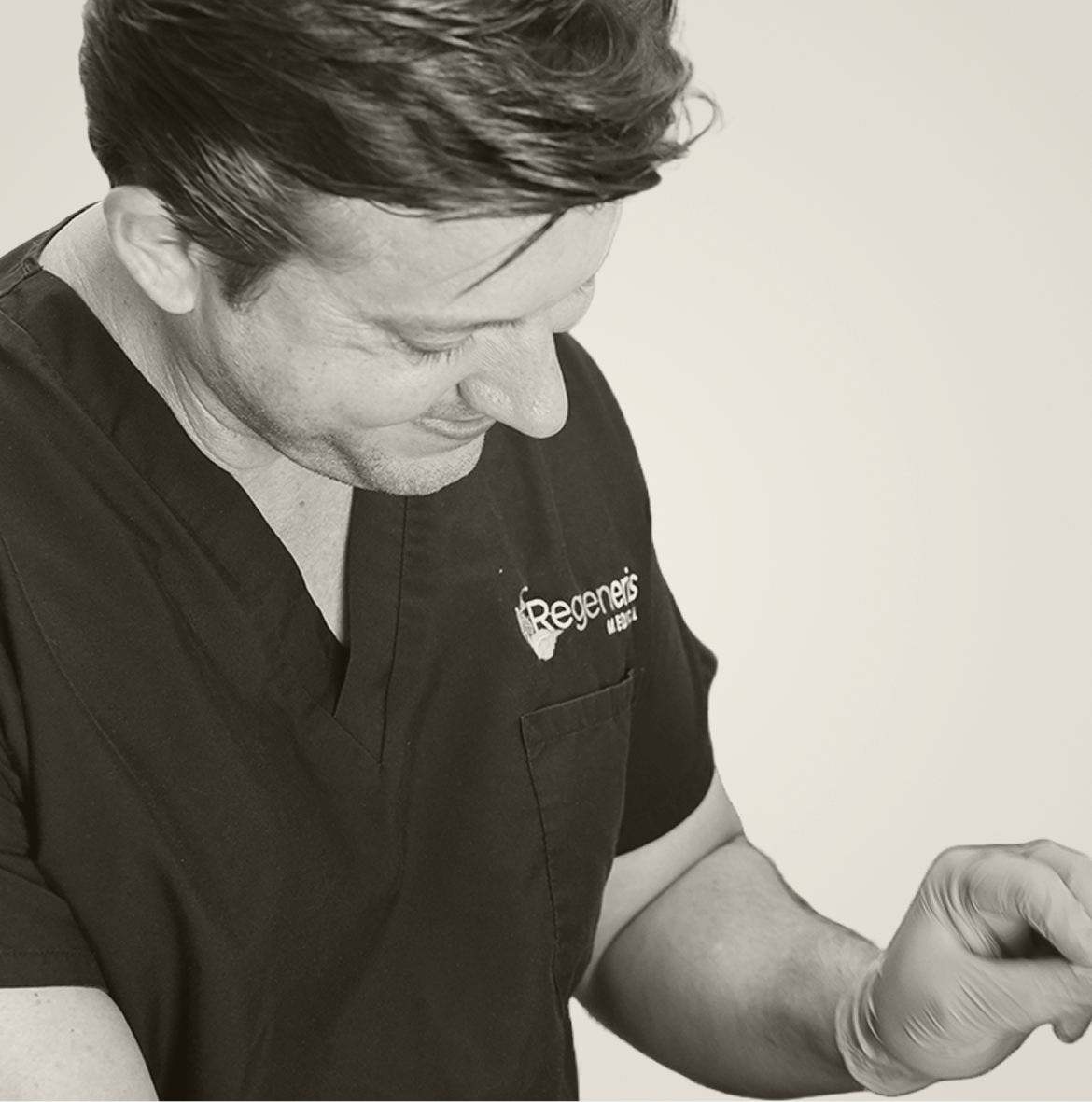
By combining advanced techniques with modern innovation, our hair transplant surgeon, Dr. Welter, utilizes state-of-the-art technology to enhance accuracy, comfort, and results. These advanced tools allow for greater control during the procedure, helping patients feel confident knowing their treatment is performed using the latest advancements in hair restoration.
Each patient receives a personalized approach designed to address their specific hair loss needs, whether restoring a targeted area or achieving coverage across the full head. Treatment plans are carefully developed to promote minimal downtime while supporting natural growth and long-lasting results that evolve beautifully over time.
We offer flexible financing options to make hair restoration more accessible and manageable. These options allow patients to move forward with treatment comfortably, without delaying care due to upfront costs, while focusing on achieving lasting, confidence-boosting results.

Frequently Asked Questions (FAQs)

Men can begin to notice scalp hair loss at various ages, often starting in their late 20s to 40s, though genetics and hormonal changes play significant roles. For those looking to treat hair loss, early evaluation can help determine the most effective options to address thinning or patchy facial hair before it progresses further.

Safety depends on individual needs and the technique used, but modern hair transplant methods are widely considered safe when performed by experienced professionals. Many advanced options, such as FUE and NeoGraft, are designed to minimize visible scarring, making them appealing choices among today’s cosmetic procedures focused on natural-looking hair growth.

Results from a hair restoration procedure develop gradually, as transplanted follicles go through natural growth cycles. While early changes may appear within a few months, final results are typically visible between 9 and 12 months as hair thickens and fully matures.

Yes, hair restoration surgery can often be complemented with minimally invasive treatments to support hair health and density. Combining approaches enables personalized solutions that address multiple concerns simultaneously and help maximize results toward a more comprehensive outcome.

Start Your Hair
Restoration

Journey Today!

When considering various options for hair transplants, Boston residents deserve a practice that combines medical expertise with an eye for detail. Our approach blends advanced techniques with artistic design and personalized care to create natural-looking results that complement your features. With experience rooted in plastic surgery, every treatment is performed with precision and intention, helping patients achieve fuller hair and renewed confidence.

Take the first step toward restoring your hair and schedule a consultation to explore your customized hair restoration options today.